AirTAC Pneumatics
AirTAC Compact Cylinders
Seventeen AirTAC compact cylinder series, 17988 part numbers from 12 to 160 mm bore, in ISO 21287, JIS, DIN and thin-body formats - the short answer when axial length is the constraint.
inventory_217993 models availableSeries Overview
This is the entry point to the AirTAC compact (short-body) air cylinder family: 17 series and 17988 published part numbers covering bores from 12 to 160 mm. Compact means the axial length is cut down. An ISO 21287 compact body such as the ACE or ACEJ is about 50% shorter than an ISO 15552 profile cylinder of the same bore, which is why these cylinders are chosen for length, not for bore. If axial space is not the constraint, the standard-cylinder family is usually the better buy.
The first routing question is what the machine should do when air is lost. Double-acting series (ACE, ACEJ, ACQ, ACQJ, ACPJ, SDA, SDAJ, TACE) hold neither end without pressure. Single-acting spring-return push series (ASE, ASQ, SSA) extend on air and retract on the spring, so the rod retracts when air is lost - the right choice where the safe state is open or released, such as clamping. Single-acting spring-return pull series (ATE, ATQ, STA) retract on air and extend on the spring, so the rod extends when air is lost - for the safe state extended or blocking. Both are called spring-return, so state the failure direction, not just the words.
The family spans four mounting standards: ISO 21287 (ACE, ACEJ, ASE, ATE, TACE), JIS (ACQ, ACQJ, ASQ, ATQ - the widest bore span, to 160 mm, with push force up to 10053 N on ACQ), DIN (ACPJ, 12-20 mm) and the thin riveted body (SDA, SDAJ). A J on the end means adjustable stroke: a stop screw trims an end position on site instead of ordering a different stroke, and the adjustable series carry most of the catalogue. Only TACE is non-rotating, with twin guide rods that keep the rod square under side load; every other series here is a plain single rod and can rotate.
Three legacy series are replaced and kept listed for field machines: ACP (DIN, double-acting) is succeeded by ACE, ASP (single-acting push) by ASE, and ATP (single-acting pull) by ATE. They remain searchable and quotable for maintenance; specify the successor for anything new.
Browse Models

Airtac B01-ACQ Dedicated Pneumatic Cylinder B01-ACQ25X30S
SKU: B01-ACQ25X30S
$31.67$37.50
schedule Confirm lead time

Airtac B01-ACQ Dedicated Pneumatic Cylinder B01-ACQ25X30
SKU: B01-ACQ25X30
$28.18$33.77
schedule Confirm lead time
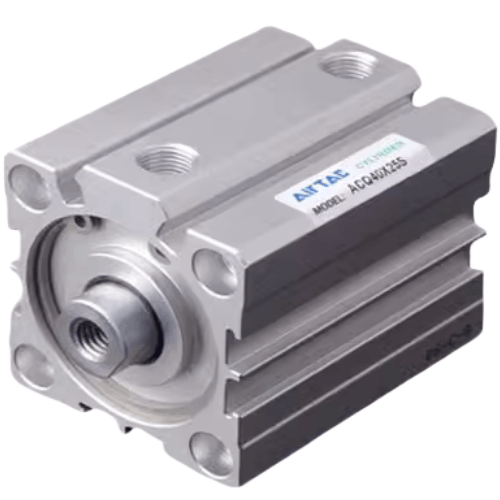
Airtac B01-ACQ Dedicated Pneumatic Cylinder B01-ACQ25X20
SKU: B01-ACQ25X20
$26.88$32.38
schedule Confirm lead time
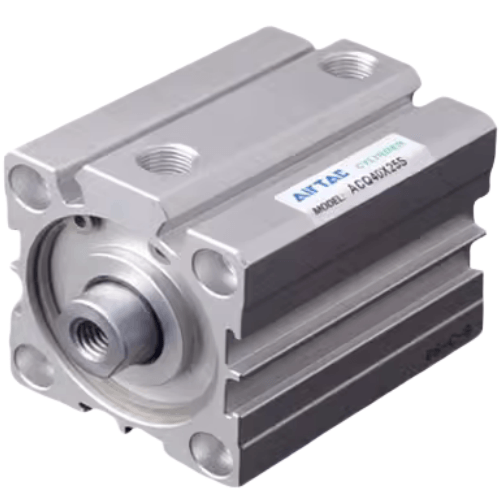
Airtac B01-ACQ Dedicated Pneumatic Cylinder B01-ACQ25X15
SKU: B01-ACQ25X15
$26.64$32.12
schedule Confirm lead time

Airtac B01-ACQ Dedicated Pneumatic Cylinder B01-ACQ25X10
SKU: B01-ACQ25X10
$25.76$31.19
schedule Confirm lead time
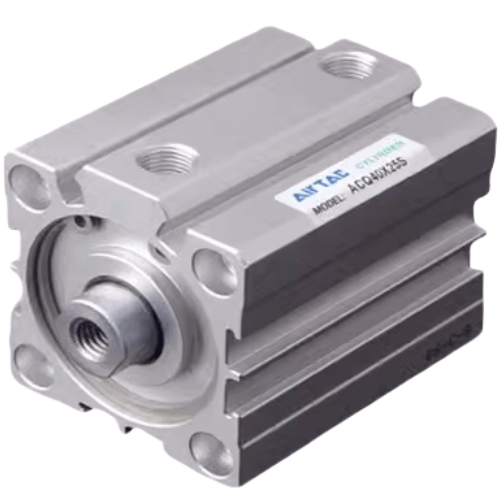
Airtac B01-ACQ Dedicated Pneumatic Cylinder B01-ACQ20X75SB
SKU: B01-ACQ20X75SB
$36.47$42.62
schedule Confirm lead time
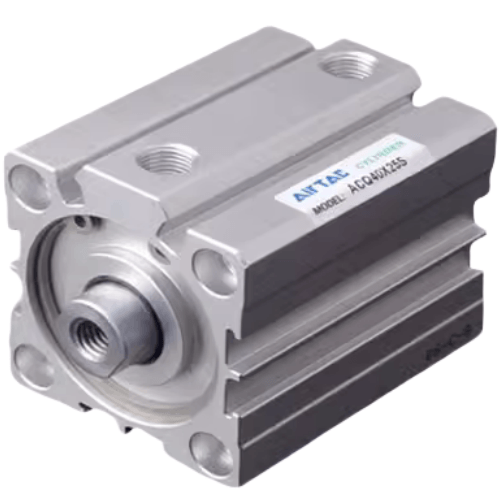
Airtac B01-ACQ Dedicated Pneumatic Cylinder B01-ACQ20X5
SKU: B01-ACQ20X5
$23.59$28.87
schedule Confirm lead time
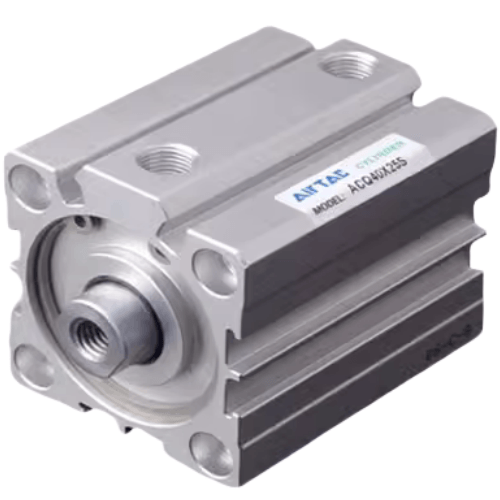
Airtac B01-ACQ Dedicated Pneumatic Cylinder B01-ACQ20X30B
SKU: B01-ACQ20X30B
$26.20$31.66
schedule Confirm lead time
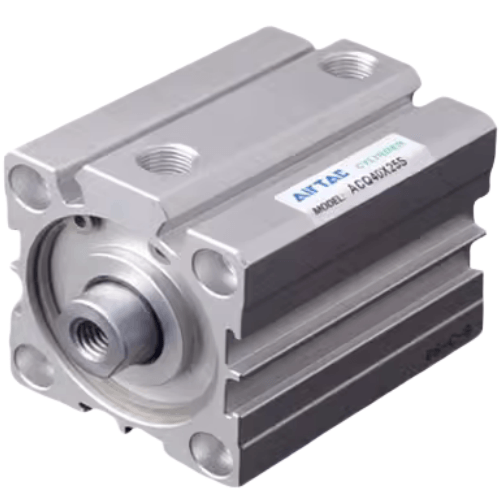
Airtac B01-ACQ Dedicated Pneumatic Cylinder B01-ACQ20X20
SKU: B01-ACQ20X20
$24.89$30.26
schedule Confirm lead time
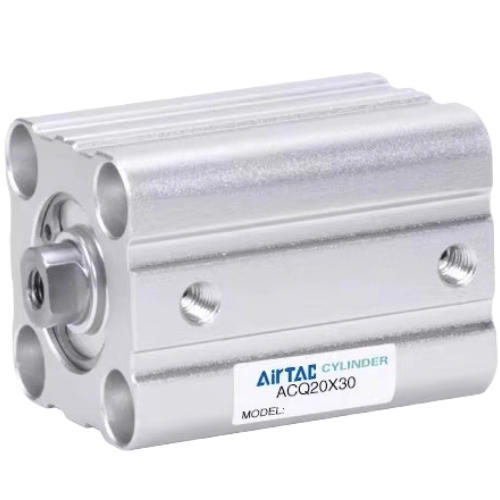
Airtac B01-ACQ Dedicated Pneumatic Cylinder B01-ACQ20X15
SKU: B01-ACQ20X15
$24.46$29.79
schedule Confirm lead time

Airtac B01-ACQ Dedicated Pneumatic Cylinder B01-ACQ20X10S
SKU: B01-ACQ20X10S
$27.07$32.58
schedule Confirm lead time
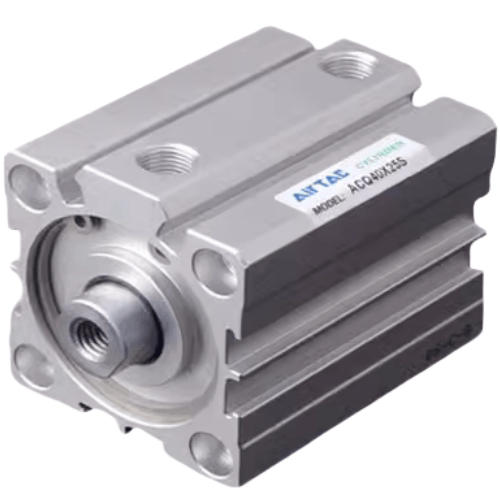
Airtac B01-ACQ Dedicated Pneumatic Cylinder B01-ACQ20X100S
SKU: B01-ACQ20X100S
$43.00$49.59
schedule Confirm lead time

Airtac B01-ACQ Dedicated Pneumatic Cylinder B01-ACQ20X10
SKU: B01-ACQ20X10
$23.83$29.12
schedule Confirm lead time

Airtac B01-ACQ Dedicated Pneumatic Cylinder B01-ACQ16X5B
SKU: B01-ACQ16X5B
$23.15$28.40
schedule Confirm lead time

Airtac B01-ACQ Dedicated Pneumatic Cylinder B01-ACQ16X5
SKU: B01-ACQ16X5
$23.15$28.40
schedule Confirm lead time

Airtac B01-ACQ Dedicated Pneumatic Cylinder B01-ACQ16X20
SKU: B01-ACQ16X20
$24.89$30.26
schedule Confirm lead time

Airtac B01-ACQ Dedicated Pneumatic Cylinder B01-ACQ12X5S
SKU: B01-ACQ12X5S
$25.76$31.19
schedule Confirm lead time
Typical Applications
Clamping fixtures on machining centres
ASE or ASQ single-acting push cylinders extend on air and retract on the spring, so a loss of air releases the clamp rather than leaving it locked on an unfinished part. Bores from 12 to 100 mm cover small tooling clamps up to mid-size fixtures.
Pick-and-place heads in tight packaging frames
SDAJ thin-body cylinders use a short riveted body for the tightest axial space, and the adjustable stroke stop screw trims the grip or release position on the line without ordering a new stroke. Bores 12-100 mm, ten bore options.
Blocking and interlock gates on assembly lines
ATE, ATQ and STA spring-return pull cylinders extend on the spring, so when air is lost the rod moves out to the blocking position by default - the safe state for gates, stops and part presenters. Bores 12-100 mm and 12-63 mm.
Square-to-part tooling and weld fixtures
TACE twin-guide cylinders keep the rod from rotating under side load, so a tool or sensor stays square to the part stroke after stroke. ISO 21287 body with the same compact footprint as ACE, bores 12-100 mm.
How to Choose the Right Model
Route in order. First, decide the failure state: nothing held (double-acting), rod retracts on air loss (ASE, ASQ, SSA - push), or rod extends on air loss (ATE, ATQ, STA - pull). Second, pick the bore band: 12-20 mm for ACPJ, 12-63 mm for ASQ, ATQ, SSA and STA, 12-100 mm for ASE, ATE, SDA, SDAJ and TACE, 12-125 mm for ACE and ACEJ, and 12-160 mm for ACQ and ACQJ. Third, match the mounting standard the machine already uses: ISO 21287, JIS, DIN or thin body. Fourth, choose fixed stroke or a J adjustable-stroke version if an end position has to be trimmed on site.
Step out of this family when the requirement goes beyond it: standard cylinders when axial length is not the constraint, mini cylinders for round-body small bores, and guided cylinders when the load must not rotate or tilt (within this family only TACE guarantees non-rotation). Piston-magnet position feedback is an order-time option - specify it with the cylinder sensors, not as a retrofit. Before ordering, confirm the five-point match: bore, stroke or spec, port and thread (confirm from the datasheet), mounting style, and the magnet option. Legacy ACP, ASP or ATP codes? We quote the successor series.
Quick checklist
- ✓ Required force at your working pressure
- ✓ Stroke and available mounting space
- ✓ Port / thread type (PT / NPT / G)
- ✓ Sensor / magnet option (-S)?
- ✓ Side load — consider a guided model
Frequently Asked Questions
Seventeen series span bores from 12 to 160 mm. The JIS ACQ series reaches the widest span (12-160 mm) with push force up to 10053 N at the 160 mm bore; ISO 21287 series (ACE, ACEJ) run 12-125 mm, and the smallest band (12-20 mm) is the DIN ACPJ. An ISO 21287 compact body is about 50% shorter than an ISO 15552 profile cylinder of the same bore, so the family is chosen for axial length. Per-part force depends on bore and pressure - confirm from the datasheet for your exact code.
A J on the end means adjustable stroke: a stop screw trims an end position on site instead of ordering a different stroke, and the adjustable series (ACEJ, ACQJ, SDAJ, ACPJ) carry over two thirds of the catalogue. For single-acting spring-return series the direction matters most: ASE, ASQ and SSA are push types - air extends, the spring retracts, so the rod retracts when air is lost. ATE, ATQ and STA are pull types - the spring extends, so the rod extends when air is lost. Both are called spring-return, so specify the failure direction you need.
Those three series are replaced and are not for new machines, but they stay listed and quotable for maintenance because machines in the field still use them. The successors are ACE for ACP (DIN compact to ISO 21287, double-acting, 12-125 mm), ASE for ASP (single-acting push, 12-100 mm) and ATE for ATP (single-acting pull, 12-100 mm). Send us the legacy code and bore and we quote the matching successor - confirm stroke and mounting from the datasheet rather than assuming a drop-in swap.
Yes - AirtacDistr is an authorized export seller of genuine AirTAC parts, and every series page lists the published part numbers, 17988 across this compact family. Our store does not publish a live stock quantity: every item is listed and orderable, and lead time is confirmed on request when you send the RFQ. Position feedback needs the piston-magnet option specified at order time, paired with the cylinder sensor family and mounting brackets.
Authorized Export Seller
Genuine AirTAC parts produced by the AirTAC factory.
1-Year Warranty
Covers non-human-caused product damage.
Fast Dispatch
Standard models usually ship in 3-4 days.
Fast Reply
Most inquiries answered within 7-8 hours.
Request a Quote
Send us the model number, quantity and destination. We confirm price, stock and lead time — usually within 7-8 hours.