Introduction
Cold weather changes everything. Metal contracts, moisture freezes, and even a reliable pneumatic system can slow to a crawl. If you rely on solenoid valves, you’ve likely faced this problem firsthand. That’s where the concept behind an airtac heating coil for solenoid valve cold weather accessory part number becomes essential.
This guide explains what these heating solutions are, why they matter, and how you can choose the right configuration for harsh environments. You’ll learn how to protect performance, reduce downtime, and extend equipment life—without overcomplicating your setup. Think of it as giving your system a warm, steady heartbeat, even in freezing conditions.
Overview of Heating Coils for Solenoid Valves
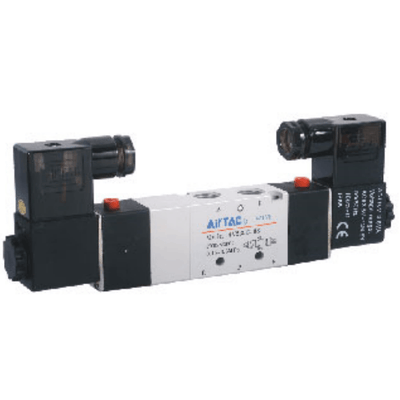
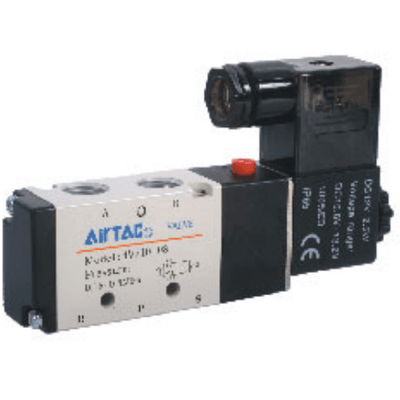
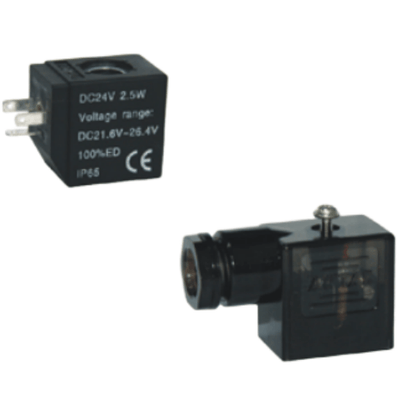
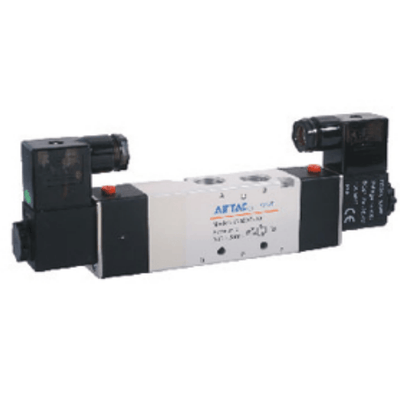
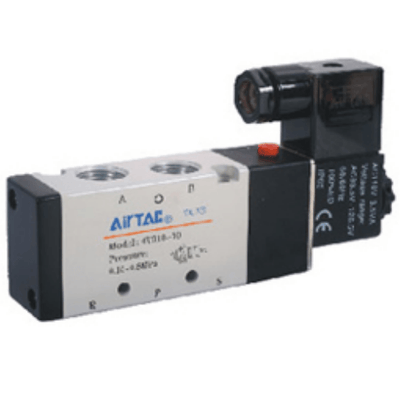
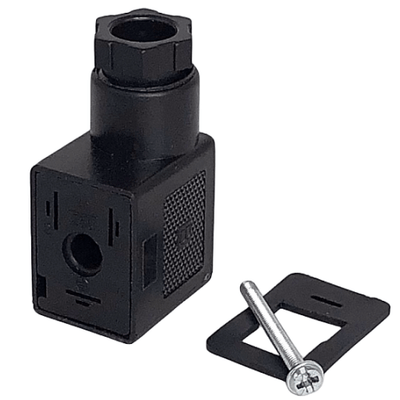
A heating coil for a solenoid valve is designed to maintain a stable operating temperature around the valve body. In cold environments, standard coils may struggle to activate properly due to viscosity changes in lubricants or ice formation. Heating accessories solve this by adding controlled warmth.
Unlike standard electromagnetic coils, these accessories focus on thermal stability rather than actuation alone. Many industrial guidelines emphasize maintaining operating temperatures within specified ranges to ensure consistent valve response.
Key characteristics include:
-
Integrated or external heating elements
-
Temperature-resistant insulation
-
Compatibility with standard valve series
-
Continuous low-watt heat output
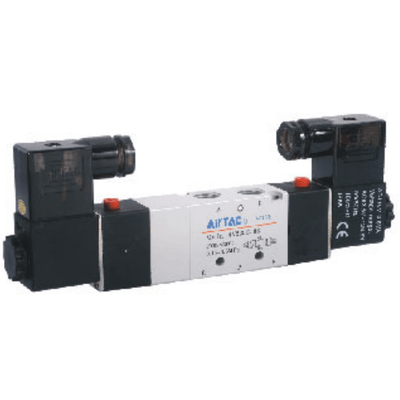
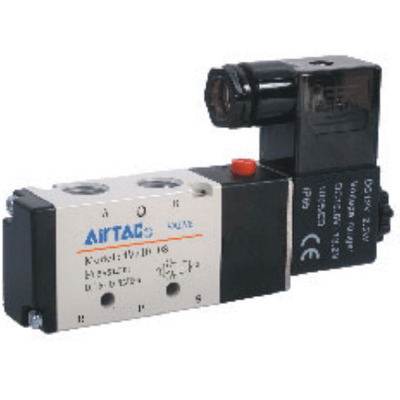
In practice, manufacturers like Airtac typically provide standard coils (e.g., CDA series), while heating functionality is often achieved through external solutions or system-level design rather than a dedicated “heating coil” part number. This aligns with industrial documentation that separates actuation components from environmental control accessories.
Why Cold Weather Affects Solenoid Valves
Low temperatures introduce subtle but critical issues. Air systems rely on smooth movement, and cold disrupts that balance. According to engineering best practices, freezing conditions can reduce responsiveness and increase failure rates in pneumatic components.
Here’s what happens:
-
Condensation freezes inside valve channels
-
Lubricants thicken, slowing internal motion
-
Seals stiffen, reducing airtight performance
-
Electrical efficiency drops, affecting coil activation
Imagine a packaging line running overnight in a refrigerated warehouse. At -10°C, valves that worked perfectly during the day begin to lag. One delay leads to another, and soon the entire process slows.
This is why cold-weather accessories—like heating coils or thermal wraps—are not optional in certain environments. They ensure your system responds instantly, just as it should.
Key Benefits of Heating Coil Solutions
Adding a heating solution to your solenoid valve system delivers more than just warmth. It creates consistency.
Performance Stability
A controlled temperature keeps valves operating within optimal parameters. This reduces misfires and improves timing accuracy.
Reduced Downtime
Cold-related failures can halt production. Heating elements minimize these interruptions by preventing freeze-ups before they start.
Extended Equipment Life
Thermal stress damages seals and internal parts over time. Maintaining stable conditions helps components last longer.
Energy Efficiency
Modern heating accessories are designed for low power consumption while delivering steady heat. This aligns with efficiency principles highlighted in engineering and sustainability guidelines.
How to Choose the Right Part Number or Solution
Selecting the right airtac heating coil for solenoid valve cold weather accessory part number isn’t about finding a single SKU. It’s about matching your environment and system needs.
Step-by-step approach:
-
Identify Valve Model
-
Check Voltage Requirements
-
DC24V or AC220V systems
-
-
Define Temperature Range
-
Mild cold (0°C) vs deep freeze (-20°C)
-
-
Choose Heating Method
-
External heating tape
-
Thermal jacket
-
High-power coil alternative
-
-
Ensure Compatibility
-
Verify mounting and insulation clearance
-
For authoritative technical standards, see
👉 Industrial Temperature Control Guidelines (https://www.iso.org)
Google’s SEO documentation emphasizes clarity and usefulness in technical content, encouraging answers that directly solve user problems. Similarly, Apple’s design guidelines highlight simplicity and user-focused language—both principles applied here for clarity and usability.
Practical Installation Tips
Installing a heating solution is straightforward, but attention to detail matters.
-
Wrap heating elements evenly around the valve body
-
Avoid direct contact with sensitive wiring
-
Use insulation layers to retain heat
-
Monitor temperature with a sensor if possible
A technician once shared how a simple heating tape reduced winter downtime by 40% in a food processing plant. The fix took less than an hour—but saved days of lost production.
Small adjustments can make a big difference.
Conclusion
Cold weather doesn’t have to slow your system down. By understanding how an airtac heating coil for solenoid valve cold weather accessory part number works—and choosing the right setup—you can keep performance smooth and reliable.
Take the next step: evaluate your environment, upgrade your setup, and ensure your valves perform flawlessly, no matter the temperature.